




*World Cup Groups E & F Round Two - My Picks
1% Sweden not to lose vs the Dutch at 43c (good to 52c)
1% Ivory Coast not to lose vs Germany at 34c (good to 38c)
1% Tunisia +1.5 vs Japan at 63c (good to 68c)
The second round of group stage games continues.
The Dutch vs Sweden - This is a clash of two teams with very different managerial styles. On one hand you have the Dutch under Ronald Koeman, who play a generally possession orientated game with technical players who are able to interchange positions to an extent. They are fluid and comfortable in possession but can struggle to find incision against teams who defend deep with tighter spacing between lines. There is a long term continuity in how the Dutch play going back multiple generations, with the total football of the Dutch team of the 1970s under Johann Cruyff. The exact style of each era's team varies somewhat but the general theme tends to be the same. Koeman is a manager who largely hasn't rocked the boat and is playing in a ...
MLB F5 SYSTEM
June 20, 2026
1. S-Tier Plays (Diff ≥ 2.50)
• PIT F5 (Skenes over Sugano) [LATE GAME] — Diff 5.2 | 70%+
2. A-Tier Plays (Diff 1.75–2.49)
• None on the late slate
3. Underdog Pitching Edges
• None on the late slate — Sugano and Ureña face clear disadvantages with no offsetting model edge.
4. Strongest Edge On Slate
Strongest Play — PIT F5 (Skenes) [LATE GAME]: Generational ace with elite ERA/FIP/K-BB/WHIP profile even on the road at Coors; massive Diff and highest-confidence edge of the night.
MLB F5 SYSTEM 4 PM
Saturday, June 20, 2026
MIA F5 (Max Meyer)
1. S-Tier Plays (Diff ≥ 2.50)
• MIA F5 (Max Meyer over Trevor McDonald) — Diff 3.1 | 70%+
2. A-Tier Plays (Diff 1.75–2.49)
• None on the 4 PM slate.
3. Underdog Pitching Edges
• MIL — Kyle Harrison’s breakout form (8-1, 2.47 ERA, elite K-rate) gives Milwaukee a live underdog arm against a strong Chris Sale. Modest but real counter-edge in a low-Diff game.
• SD — Walker Buehler’s road workload is playable in a near-even projection vs. MacKenzie Gore.
4. Strongest Edge On Slate
Strongest Play — MIA F5 (Max Meyer). Dominant season-long results (7-0), excellent ERA/WHIP/K numbers across 15 GS, and a massive Diff vs. a limited-sample, struggling Giants starter. Highest confidence and clearest separation on the slate.
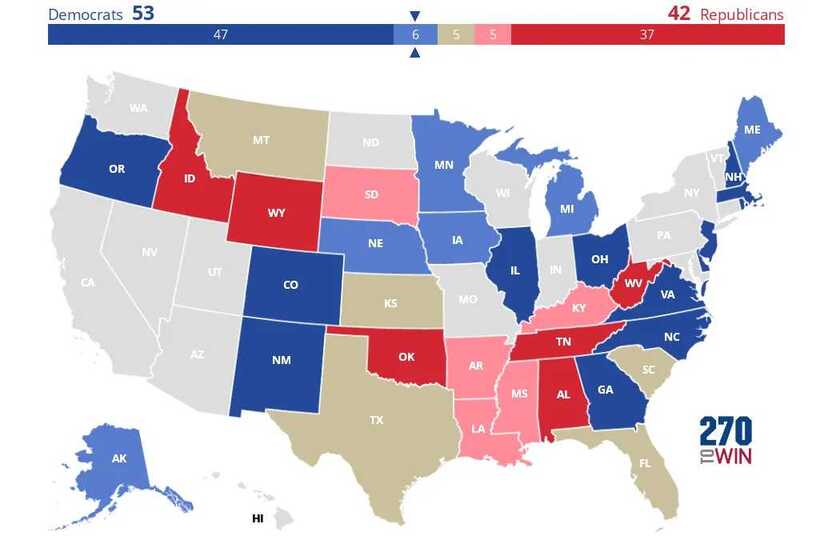
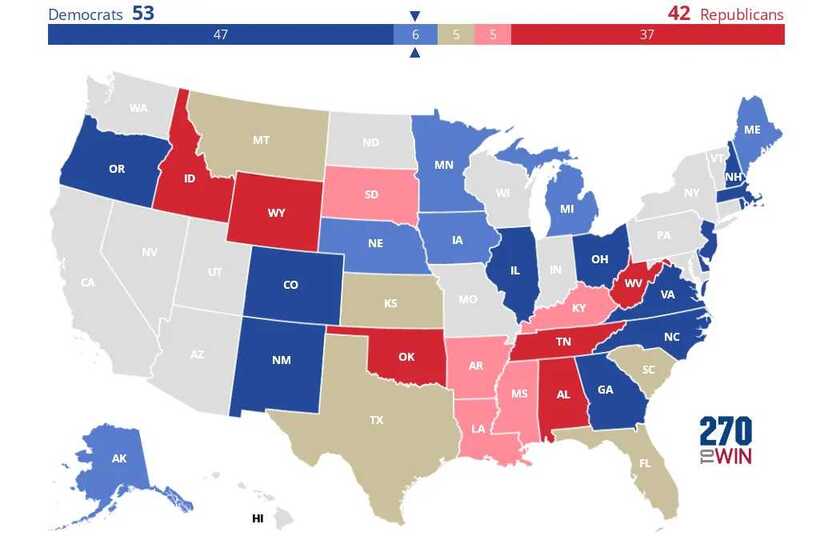
First, four factors dictate whether there is major turnover in the Senate in a midterm election independent of the favorability of the Senate map (due to only one-third of seats being up in any given midterm). Often, as was the case in both 2018 and 2022, is that incumbents are not destined to lose seats, outside of realigning elections in unfavorable maps. This cycle's map favors the GOP, which is why the prediction markets and most forecasters expect a GOP majority in the 2027 Senate. The four factors that prove dangerous to the incumbent party are: first, a recession or cost of living crisis; second, a war; third, a major scandal; and fourth, a sense of betrayal in the voter group that backed the incumbent amongst some portion of their prior electoral coalition. Five midterms feature some combingation of those factors in some significant degree: 1930, 1946, 1958, 1974 and 2006.
Without those factors present in multiple forms, the incumbent party can expect to hold on to seats in states it previously won outside the national margin. When those factors are present, the landscape shifts dramatically. Examining those White House incumbent seats that showed a state-wide election decided by single digits in the prior decade produces the following probabilities: the incumbent White House party lost at least 67% of its incumbent held seats, as much as 85% of its incumbent held seats, and an average of 75% of its incumbent hold seats, rarely upsetting the opposition party in any seat and often losing a surprise or two in seats considered completely safe.