


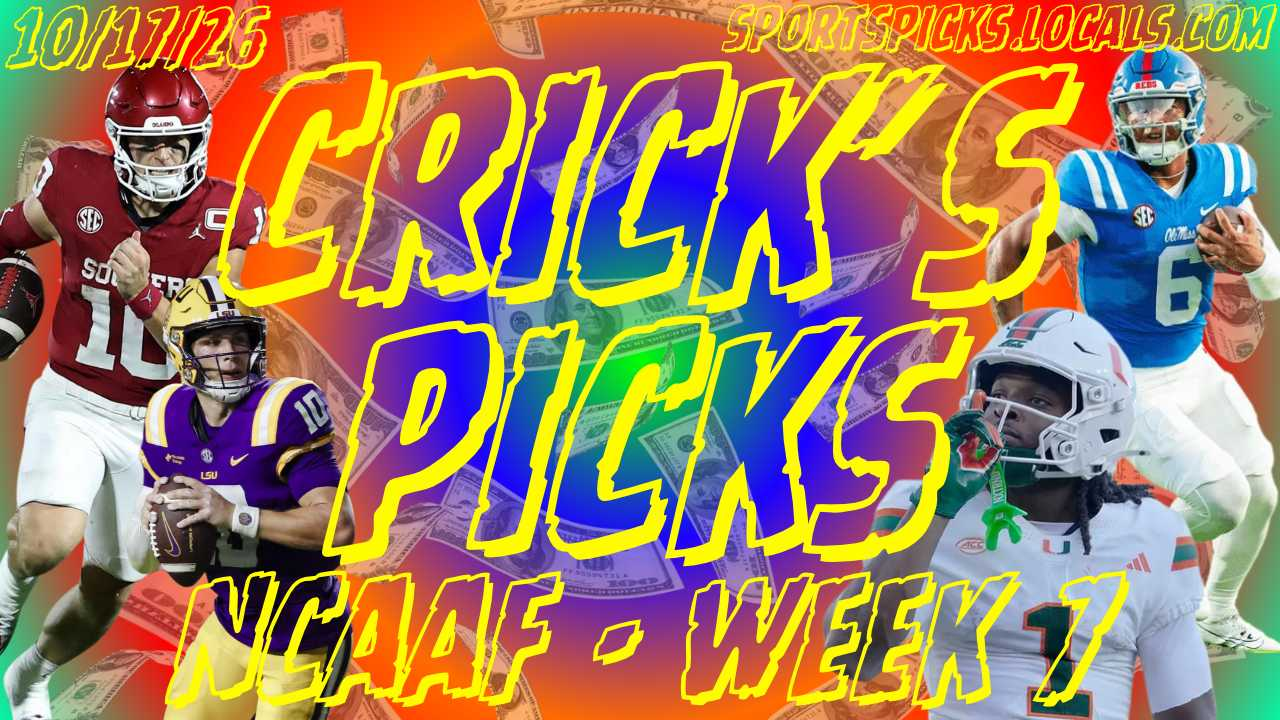
Overview: While English Premier League made enough profits to survive any luck in Champagne, it was something to watch Nebraska manage to recapture bad luck in a bottle like last year's game in Lincoln against the Illini, and make you wonder what football gods Scott Frost offended in taking the job in his school of origin. Nebraska outgunned Illinois in the air, on the ground, in total yards, in yards per play, and the metrics best predictive of college football, yet lost. How? Two missed extra points, a called back INT, a safety based on a questionable call, a fumble recovery for Illinois in a TD seconds before the end of the half, a punt that magically landed at the half-yard line, as Illinois managed 21 offensive points, and 7 of that came on the penalty-laden drive that reversed an INT at midfield.
Inside the Stat Sheet: While most metrics would have Nebraska winning most of the time, there was one big risk area for the Huskers: an underwhelming offensive performance, with QB Martinez missing multiple open receivers, including for open touchdowns, the short-yardage passing game struggling, and the running game stuffed. Illinois' offense averaged a mere 4.9 yards per play, which usually results in a sub-20 points offensive output, and may have benefited from the one bad-luck play of their side of the ball -- replacing Peters with Rutgers transfer Sitkowski, the latter a better fit for Bielema's boys. The promising defensive play in the ex-Missouri DC provides promise on that side of the ball for the Illini, though Nebraska's big plays featured its one traditional vulnerability -- big plays in the man-heavy defense.
Early Future Forecast: for the rest of the season shows Scott Frost on a very hot, hot seat in Lincoln, needing Martinez to steady his hand at QB, while the rest of the unit proved promising on both sides of the ball. Great start for Bielema, even if luck played the ultimate tipping factor, but his success will likely depend on facing weak run defenses and offenses that lack big-play ability in the passing game especially. Watch for betting opportunities if the public over-reacts to Nebraska's loss and Illinois' win in the next few weeks, as most bettors rarely look past the score in the box score to assess the future of both teams.
ANY PICKS MADE IN THIS SHOW ARE NOT SPORTSPICKS "OFFICIAL PICKS"
START TIME - 8:00 AM EST
🔥 June 21, 2026 Degenerate Special 🔥
Afternoon slate locked with high-K arms! 🔥
Your Locked Open Bets (placed & pending):
1. 3-Leg Parlay — Odds: +121
• Chase Burns 6+ Strikeouts (-440) — CIN Reds @ NY Yankees 1:36 PM ET
• Dylan Cease 6+ Strikeouts (-275) — TOR Blue Jays @ CHC Cubs 2:21 PM ET
• Logan Gilbert 6+ Strikeouts (-310) — BOS Red Sox @ SEA Mariners 4:11 PM ET
2. 5-Leg Parlay — Odds: +200
• Chase Burns 6+ Strikeouts (-420) — CIN @ NYY 1:36 PM ET
• Logan Webb 4+ Strikeouts (-900) — SF Giants @ MIA Marlins 1:41 PM ET
• Dustin May 4+ Strikeouts (-500) — STL Cardinals @ KC Royals 2:11 PM ET
• Dylan Cease 6+ Strikeouts (-275) — TOR @ CHC 2:21 PM ET
• Logan Gilbert 6+ Strikeouts (-300) — BOS @ SEA 4:11 PM ET
Single Bet
• Dylan Cease Over 6.5 Strikeouts (-132) — TOR @ CHC 2:21 PM ET
#MLBProps #StrikeoutBets #DegenerateMode 🤑⚾
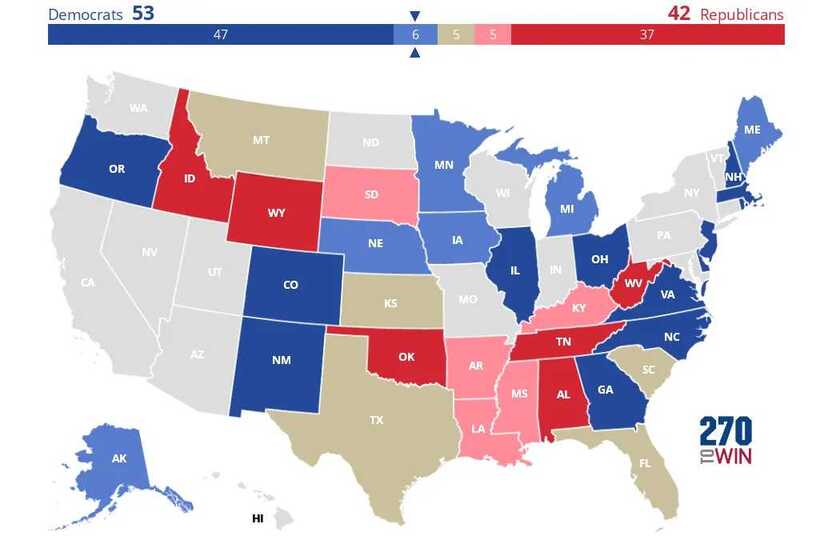
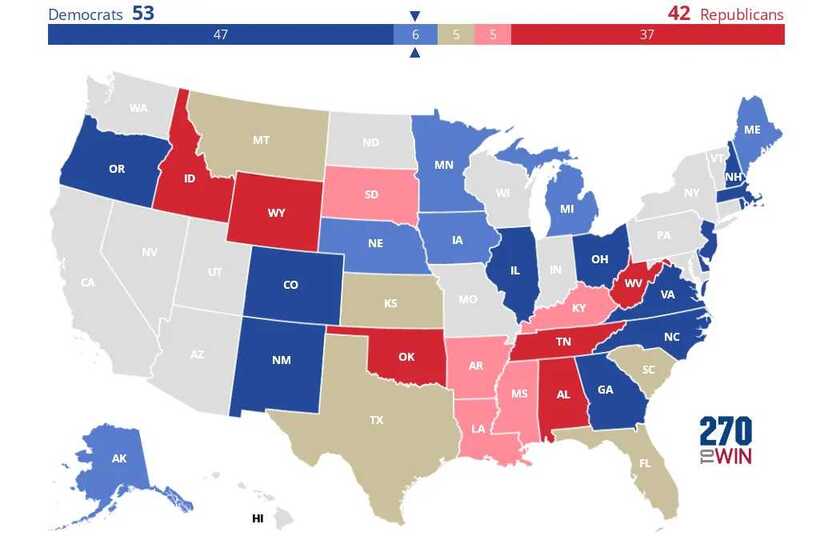
First, four factors dictate whether there is major turnover in the Senate in a midterm election independent of the favorability of the Senate map (due to only one-third of seats being up in any given midterm). Often, as was the case in both 2018 and 2022, is that incumbents are not destined to lose seats, outside of realigning elections in unfavorable maps. This cycle's map favors the GOP, which is why the prediction markets and most forecasters expect a GOP majority in the 2027 Senate. The four factors that prove dangerous to the incumbent party are: first, a recession or cost of living crisis; second, a war; third, a major scandal; and fourth, a sense of betrayal in the voter group that backed the incumbent amongst some portion of their prior electoral coalition. Five midterms feature some combingation of those factors in some significant degree: 1930, 1946, 1958, 1974 and 2006.
Without those factors present in multiple forms, the incumbent party can expect to hold on to seats in states it previously won outside the national margin. When those factors are present, the landscape shifts dramatically. Examining those White House incumbent seats that showed a state-wide election decided by single digits in the prior decade produces the following probabilities: the incumbent White House party lost at least 67% of its incumbent held seats, as much as 85% of its incumbent held seats, and an average of 75% of its incumbent hold seats, rarely upsetting the opposition party in any seat and often losing a surprise or two in seats considered completely safe.