




Here are the best bets I see in the political betting markets currently. I consider my political betting bankroll separate from my sports betting payroll.
GOP Senate Seats 2023 at 51: 16%
GOP Senate Seats 2023 at 52: 12%
GOP Senate Seats 2023 at 53: 8%
GOP Senate Seats 2023 at 54: 5%
House & Senate GOP: 37%
Senate GOP: 39%
Georgia Senate GOP: 46%
Arizona Senate GOP: 34%
Alaska Congress Palin: 75%
Nevada Senate GOP: 51%
Wisconsin Senate GOP: 56%
Arizona Governor GOP: 54%
North Carolina Senate GOP: 73%
Pennsylvania Governor GOP: 24%
Michigan Governor GOP: 17%
Murkowski NOT Reelected: 15%
New Hampshire Senate GOP: 24%
Kansas Governor GOP: 60%
Schumer NOT Majority Leader 2023: 34%
Wisconsin Governor GOP: 49%
Georgia Governor GOP: 82%
Maine Governor GOP: 20%
Biden Impeached 6/30/23: 24%
GOP House 2023: 74%
🔥 July 2, 2026 Degenerate Special 🔥
Afternoon & evening slate locked with high-K arms! 🔥
Your Locked Open Bets (placed & pending):
1. 3-Leg Same Game Parlay+ — Odds: +130
• Chase Burns 6+ Strikeouts — CIN Reds @ MIL Brewers 2:11 PM ET
• Jacob Misiorowski 9+ Strikeouts — CIN Reds @ MIL Brewers 2:11 PM ET (SGP)
• Bryce Miller 6+ Strikeouts — LAA Angels @ SEA Mariners 9:41 PM ET
#MLBProps #StrikeoutBets #DegenerateMode 🤑⚾
An old friend of mine is with visiting his wife's family down in Mexico and he was watching the USA/Bosnia game last night.
He was watching the Mexican channel broadcast with obviously Spanish speaking commentators (my friend also speaks Spanish).
He said they spent the whole rest of the game, post-red card, just shitting on the ref, saying stuff that would get people fired on USA television 🤣🤣
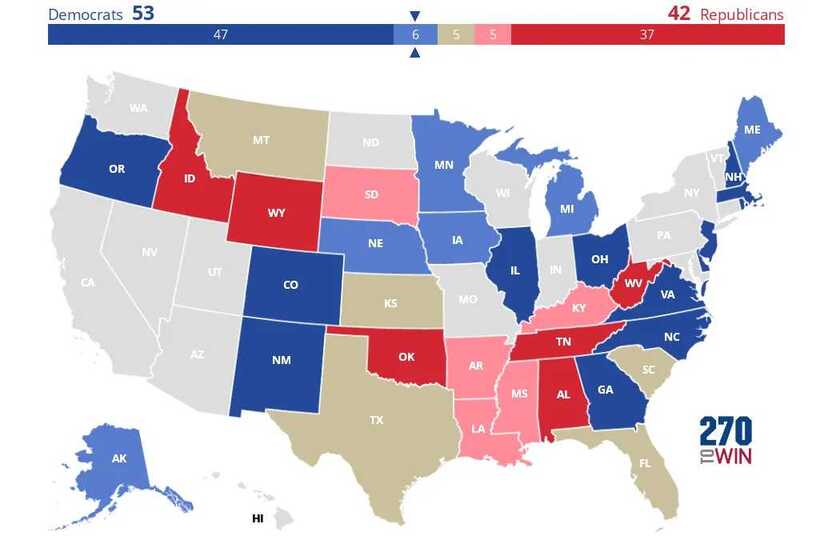
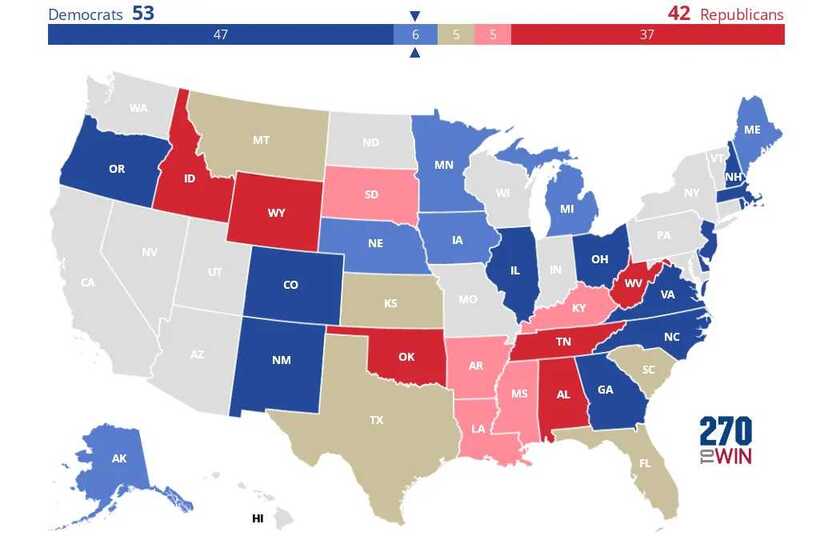
First, four factors dictate whether there is major turnover in the Senate in a midterm election independent of the favorability of the Senate map (due to only one-third of seats being up in any given midterm). Often, as was the case in both 2018 and 2022, is that incumbents are not destined to lose seats, outside of realigning elections in unfavorable maps. This cycle's map favors the GOP, which is why the prediction markets and most forecasters expect a GOP majority in the 2027 Senate. The four factors that prove dangerous to the incumbent party are: first, a recession or cost of living crisis; second, a war; third, a major scandal; and fourth, a sense of betrayal in the voter group that backed the incumbent amongst some portion of their prior electoral coalition. Five midterms feature some combingation of those factors in some significant degree: 1930, 1946, 1958, 1974 and 2006.
Without those factors present in multiple forms, the incumbent party can expect to hold on to seats in states it previously won outside the national margin. When those factors are present, the landscape shifts dramatically. Examining those White House incumbent seats that showed a state-wide election decided by single digits in the prior decade produces the following probabilities: the incumbent White House party lost at least 67% of its incumbent held seats, as much as 85% of its incumbent held seats, and an average of 75% of its incumbent hold seats, rarely upsetting the opposition party in any seat and often losing a surprise or two in seats considered completely safe.