



This is just fyi, information you can use to make your own bets, as you see fit. These are bets where the sports books and bookies see someone they respect make a bet against where the public is. This can be tracked by "counter-public" bet line moves...e.g., where the line moves in the opposite direction of where public betting should say it should go.
Sharp $ Bets:
Louisville
Missouri
Ohio
Southern Miss
Georgia State
South Alabama
Illinois
Kansas
Stanford
USC-Stan OVER
UAB-Liberty UNDER
OD-ECAR UNDER
Hou-TxTech UNDER
UNLV-Cal UNDER
WashSt-Wis OVER
Wmich-BallSt UNDER
UNC-GaSt UNDER
Duke-NW OVER
Boise-New Mex UNDER
🔥 August 7 Degenerate Special 🔥
Zack Wheeler Over 5.5 Ks (-164) is the clearest individual strikeout prop on the entire slate.
Elite Tier arm (10.8 K/9) projects ~7.1 strikeouts tonight. The 5.5 is pure floor — he clears it the overwhelming majority of the time even when limited. Highest projected strength gap vs any posted line today.
Safe. High-conviction. Locked.
#MLBProps #StrikeoutBets #DegenerateMode
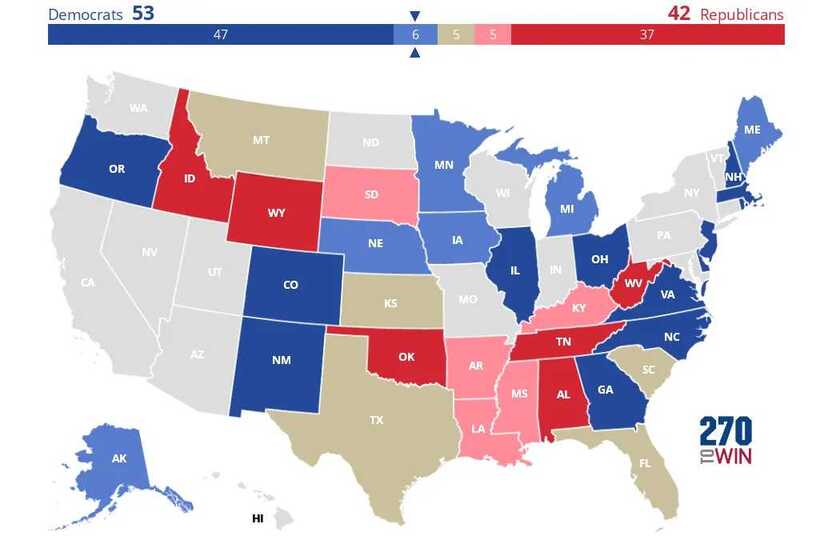
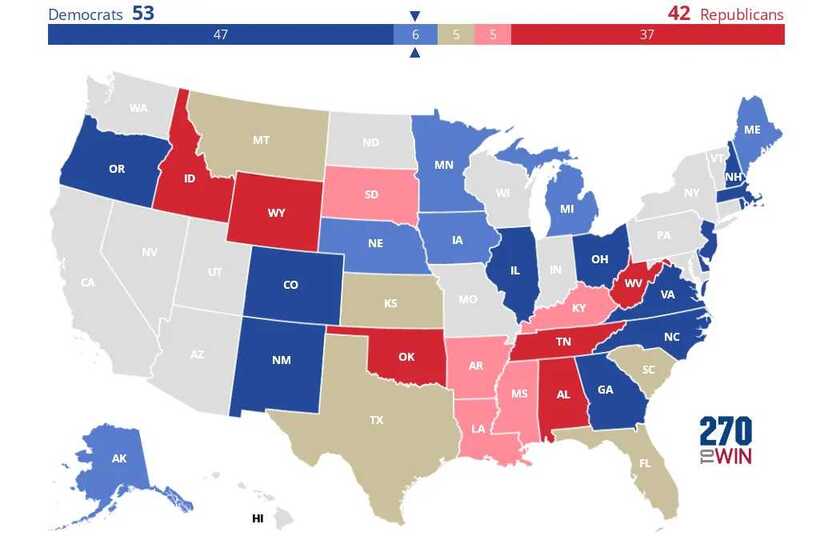
First, four factors dictate whether there is major turnover in the Senate in a midterm election independent of the favorability of the Senate map (due to only one-third of seats being up in any given midterm). Often, as was the case in both 2018 and 2022, is that incumbents are not destined to lose seats, outside of realigning elections in unfavorable maps. This cycle's map favors the GOP, which is why the prediction markets and most forecasters expect a GOP majority in the 2027 Senate. The four factors that prove dangerous to the incumbent party are: first, a recession or cost of living crisis; second, a war; third, a major scandal; and fourth, a sense of betrayal in the voter group that backed the incumbent amongst some portion of their prior electoral coalition. Five midterms feature some combingation of those factors in some significant degree: 1930, 1946, 1958, 1974 and 2006.
Without those factors present in multiple forms, the incumbent party can expect to hold on to seats in states it previously won outside the national margin. When those factors are present, the landscape shifts dramatically. Examining those White House incumbent seats that showed a state-wide election decided by single digits in the prior decade produces the following probabilities: the incumbent White House party lost at least 67% of its incumbent held seats, as much as 85% of its incumbent held seats, and an average of 75% of its incumbent hold seats, rarely upsetting the opposition party in any seat and often losing a surprise or two in seats considered completely safe.