




These are not Sportspicks "Recommended Picks"
Results - 4/27/23
1-1 ATS
3-2 Individual Player Props
0-1 ML's
3-1 SGP Parlay Lost
Crick's Picks - 4/28/23
Golden State Warriors -7.5 vs Sacramento Kings 8:00 PM EST
Warriors/Kings UNDER 236 8:00 PM EST
Los Angeles Lakers -4.5 vs Memphis Grizzlies 10:30 PM EST
Lakers/Grizzlies OVER 220 10:30 PM EST
Individual Player Props
Andrew Wiggins (Warriors) OVER 17.5 Points -135
Stephen Curry (Warriors) 5+ 3-Pointers Made -140
Jordan Poole (Warriors) 1+ Steals -130
Kevon Looney (Warriors) 15+ Rebounds +140
Malik Monk (Kings) 25+ "Points + Rebounds + Assists" +105
LeBron James (Lakers) 45+ "Points + Rebounds + Assists" +125
Anthony Davis (Lakers) OVER 13.5 Rebounds -110
Jaren Jackson Jr. (Grizzlies) 3+ Blocks +135
Dennis Schroder (Lakers) 1+ Steals +100
Desmond Bane (Grizzlies) OVER 23.5 Points -135
Free ML Parlay (2 Picks)
Golden State Warriors -340 vs Sacramento Kings
Los Angeles Lakers -220 vs Memphis Grizzlies
Total Odds Boost = -114
10.00 To Win 8.82
100.00 To Win 88.23
Hope EVERYONE has a GREAT Weekend!!
Stay SAFE out there and Good Luck!!!!
-Crickett
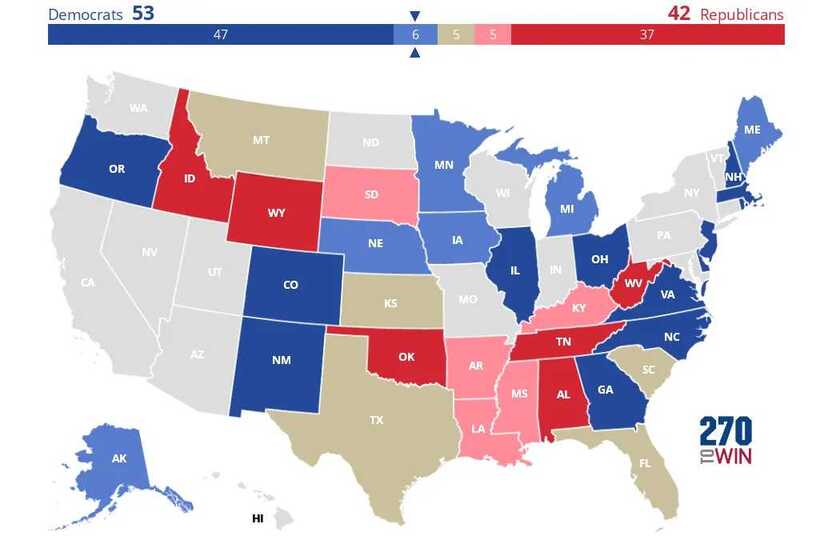
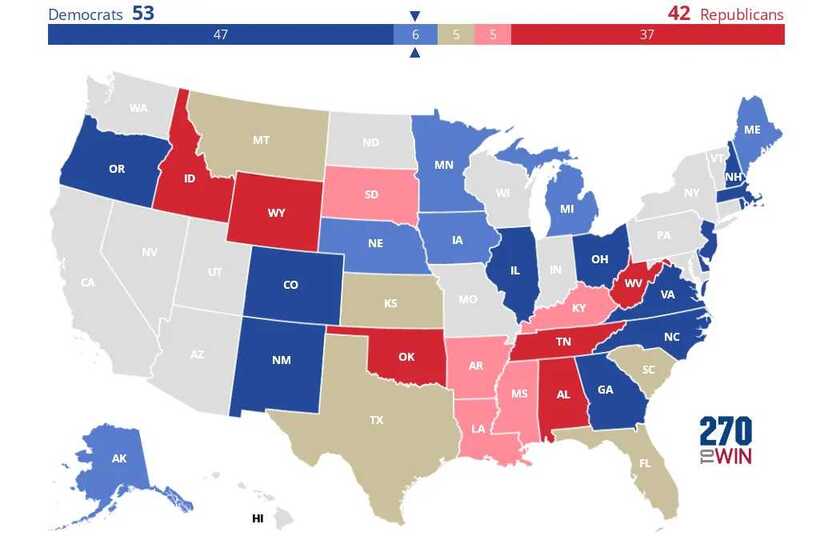
First, four factors dictate whether there is major turnover in the Senate in a midterm election independent of the favorability of the Senate map (due to only one-third of seats being up in any given midterm). Often, as was the case in both 2018 and 2022, is that incumbents are not destined to lose seats, outside of realigning elections in unfavorable maps. This cycle's map favors the GOP, which is why the prediction markets and most forecasters expect a GOP majority in the 2027 Senate. The four factors that prove dangerous to the incumbent party are: first, a recession or cost of living crisis; second, a war; third, a major scandal; and fourth, a sense of betrayal in the voter group that backed the incumbent amongst some portion of their prior electoral coalition. Five midterms feature some combingation of those factors in some significant degree: 1930, 1946, 1958, 1974 and 2006.
Without those factors present in multiple forms, the incumbent party can expect to hold on to seats in states it previously won outside the national margin. When those factors are present, the landscape shifts dramatically. Examining those White House incumbent seats that showed a state-wide election decided by single digits in the prior decade produces the following probabilities: the incumbent White House party lost at least 67% of its incumbent held seats, as much as 85% of its incumbent held seats, and an average of 75% of its incumbent hold seats, rarely upsetting the opposition party in any seat and often losing a surprise or two in seats considered completely safe.